
VoIP Caller: Make Free International Calls with VoIP
Imagine being able to use a VoIP caller to call your best friend in Japan, your business partner in London, or share baby’s first words with grandparents in another continent – all without worrying about that dreaded phone bill. Welcome to the age of VoIP calling, where making free international calls is not just a dream, but an everyday reality! In this blog post, we will unravel the secrets behind Voice over Internet Protocol (VoIP) technology and show you how it’s revolutionizing the way we handle personal and professional global communication. Say goodbye to outrageous international calling rates and hello to endless conversations with your loved ones across the globe!
VoIP caller identification, also known as VoIP Caller ID or simply Caller ID, is a technology that allows users to identify incoming calls on a VoIP phone system. Caller ID information is transmitted during the call setup process and may include the name, phone number, or other identifying information about the caller. In order to display Caller ID information, both the calling and receiving parties must have compatible systems. Some VoIP providers offer additional services such as spam filtering and call blocking to help users avoid unwanted calls from telemarketers and scammers.
Making Free International Calls with VoIP

VoIP technology has brought a new revolution to the means of communication, allowing users to make free international calls with ease. The traditional phone lines are being replaced by internet-based phone services, and VoIP calling is becoming one of the go-to options for people looking for a cost-effective way to communicate with their friends and family around the world.
One of the main advantages of VoIP calling is that it is a cost-efficient option compared to traditional phone lines. Since calls are transmitted over an IP network using the internet, they eliminate most of the expenses associated with traditional telephony, making it easy and affordable to make long-distance or international calls. This accessibility without any significant costs, which other methods may incur, makes this an excellent tool for any person or business.
Many VoIP providers offer free international calls to their subscribers as part of a package deal. For instance, Skype, a popular VoIP service provider, offers unlimited free calls between Skype users regardless of their location globally. Other services such as Facebook Messenger, Viber, Whatsapp also support VoIP calling functionality making it easier for people to get in touch despite geographical barriers.
A friend of mine had moved from New York to London after graduation, and we found ourselves communicating less often due to expensive international calling rates. However, when I discovered VoIP technology years later, our communication was restored effortlessly as we could now speak frequently without denting our pockets. Whenever I want to express myself beyond text messages or social media channels with him without worrying about international call charges or expensive calling cards fees, I use my VoIP service provider – it’s that easy!
Another benefit of using VoIP technology is its ability to transmit clear audio quality during calls. In general, phone calls using VoIP often deliver better-quality voice signals than those placed via conventional telephone networks since it depends on the bandwidth of the connection and codec used. With optimization, VoIP technology gives users crystal-clear audio during calls.
Even with its benefits, there are still limitations to using VoIP calling for international communications. The most common limitation of VoIP is that it requires a stable and strong internet connection. This means that if the internet connection slows down or loses its signal, call quality problems may arise, such as low-quality audio, echoes or disconnections. Of course, this could also be a concern when using traditional phone lines and providers and needs to be considered before making calls via any medium.
Think of your voice being carried from one point to another using light beams through fiber optic cables. Although this reduces the chances of external interference compared to copper wires in traditional phone systems where your voice is transmitted via electromagnetic waves generated at a specific frequency. However, just as clouds block radio waves and interrupt connectivity when using traditional landlines or cell phones, poor internet connection can cause interruptions while using VoIP calls.
- VoIP technology has transformed communication by providing a cost-efficient and high-quality option for making long-distance and international calls. While traditional phone lines are being replaced, VoIP calling offers clear audio quality, affordability, and even free international calls with the right provider. However, the necessity of a stable internet connection remains a limitation for VoIP, requiring users to consider this factor before making calls via any medium. Overall, this technology has paved the way for effortless global communication without breaking the bank.
Steps to Set Up a VoIP Call
VoIP calling requires a set-up process similar to any other device or equipment used for communication. The essential items needed are a microphone, speakers or headphones, reliable internet connectivity, an analog-to-digital converter (if the phone doesn’t support digital signals), and an account with a reputable VoIP provider.
To make free international calls with VoIP using Skype, you need to set up an account on their website (or download their App) then log into it. Next, select a contact who also uses Skype (or someone who is available for free calling), then press the corresponding phone icon until they answer your call or choose video chat instead if both parties have cameras available. You can also add credit to your account for unlimited calling even outside the platform at affordable rates.
Wi-Fi hotspots, 3G/4G networks, and cellular connections can be used to make VoIP calls but are not always reliable because bandwidth fluctuates depending on user location and usage. Instead, it’s recommended that users connect using a broadband connection for better clarity and avoid dead zones of connectivity.
A potential downside to using VoIP is the security vulnerabilities it poses compared to traditional phone lines. With malicious actors looking to exploit loopholes in the security frameworks and steal personal information, it’s essential to safeguard all details about your VoIP services and ensure secure network measures are put in place.
Think of your VoIP call setup as much like setting up your GPS. While inputting your desired location may seem like a one-way communication process between you and the device (or company), the route it takes involves multiple points such as satellites, cellular networks, and other data processing centers working together to provide you with accurate directions over distance.
Popular Services for Free Calls
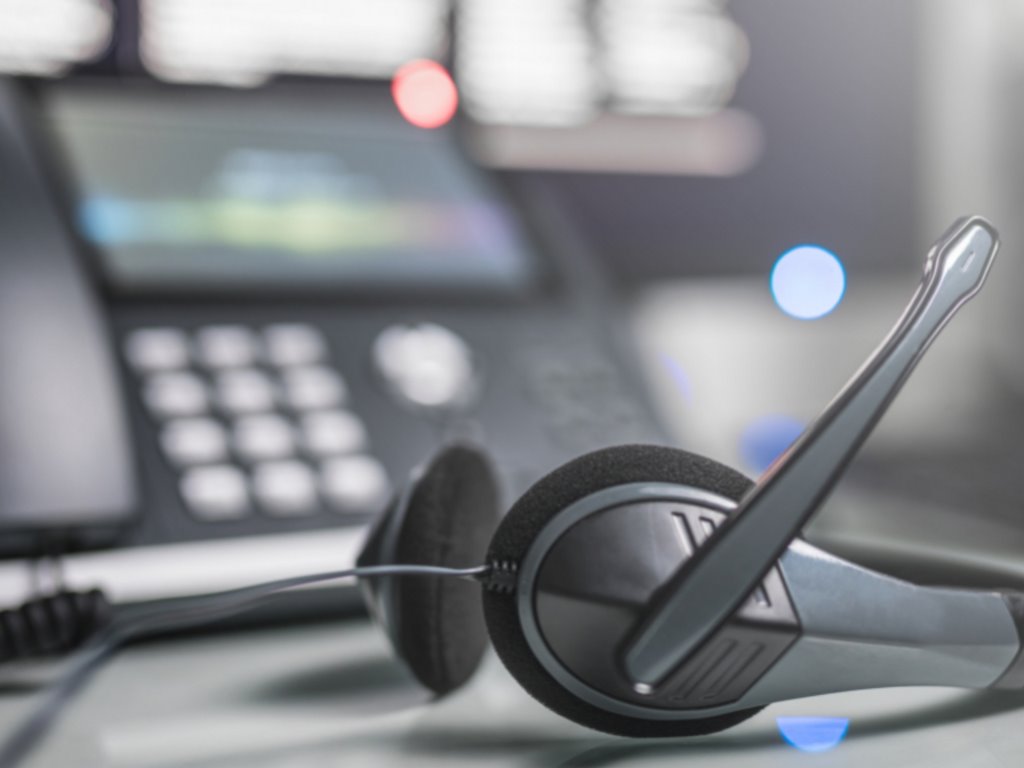
One of the biggest advantages of VoIP calling is making free international calls. There are many services available that offer free calls to different parts of the world. Some of the popular services for free calls include Skype, WhatsApp, Viber, and Google Voice.
Skype is one of the oldest and most popular VoIP services that allows users to make voice and video calls over the internet. With Skype, users can make free voice and video calls to other Skype users worldwide. However, calling landlines and mobiles require purchasing credit or subscribing to a calling plan.
WhatsApp is another popular messaging app that also supports voice and video calling. Users can make free international calls using WhatsApp to other WhatsApp users around the world. The app uses end-to-end encryption to secure its calls and messages.
Viber is another VoIP service that allows users to make international calls for free. Viber offers high-quality audio with clear reception even in low-bandwidth areas. It also supports video calling between Viber users worldwide.
Google Voice is a communication service from Google that offers free domestic calling within the United States and Canada. It also provides cheap international calls at competitive rates. Users can make VoIP calls using a phone or computer with an internet connection.
Many people have found these services incredibly useful for staying in touch with loved ones who live overseas or traveling abroad themselves. A friend of mine who moved away to Europe uses WhatsApp frequently to keep in touch with her family back home in Australia without having to spend a fortune on international phone bills.
These services are not only convenient but also cost-effective for businesses operating internationally. Companies can save money on traditional phone bills by switching to VoIP-based phone systems that integrate with popular communication tools such as Skype for Business or Microsoft Teams.
However, it should be noted that these free calling services may have some limitations. For example, the call quality may not be as good as traditional phone lines, especially if there are internet connection issues or low bandwidth. Additionally, some of these services require both parties to have the same app installed on their devices.
VoIP Call Quality and Limitations
While VoIP calling offers many advantages over traditional phone lines, it does come with its own set of limitations and challenges. One of the most common issues with VoIP calls is poor call quality. There are several factors that affect call quality, including bandwidth, latency, jitter, packet loss, and codecs.
Bandwidth refers to the amount of data that can be transmitted over an internet connection in a specific amount of time. Insufficient bandwidth can cause delays and dropped packets during calls, resulting in choppy or broken audio.
Latency refers to the delay between when a sound is transmitted and when it is received by the other person. High latency can cause noticeable delays in conversations and make it difficult to have real-time communication.
Jitter refers to the variation in delay between packets during transmission. It can cause a stuttering effect on audio during calls.
Packet loss refers to lost packets during transmission due to network congestion or other issues. Lost packets result in gaps in audio during calls.
Codecs are algorithms used for compressing and decompressing digital audio signals during transmission. The choice of codec affects call quality and bandwidth usage.
I experienced poor call quality firsthand while working from home during the pandemic. I was frequently on video conference calls that would freeze or drop out altogether due to poor bandwidth or high latency.
To ensure good call quality, it’s important to have a stable internet connection with sufficient bandwidth, low latency, minimal packet loss, and proper codec settings. Businesses can improve call quality by investing in reliable internet services and using QoS (Quality of Service) to prioritize voice traffic.
However, VoIP calling may not be suitable for all businesses and situations. For example, emergency services such as 911 may not be available through VoIP phones in some areas. Additionally, power outages or internet outages can result in loss of service with VoIP systems, unlike traditional phone lines that can be powered by the local telecommunication company.
Factors Affecting Call Quality

One of the most important aspects of VoIP calling is call quality. While VoIP offers many advantages over traditional phone lines, including cost savings and flexibility, low call quality can be a major issue. Several factors can affect call quality, including internet speed, hardware and software compatibility, and network congestion.
Slow internet speeds can significantly impact call quality during VoIP calls. If your internet connection is slow or unstable, you may find that your calls are choppy or distorted. This is because voice data is transmitted in real-time, and slow speeds can cause delays and disruptions in transmission. It’s crucial to have a stable and fast internet connection to ensure high-quality VoIP calls.
Another factor that affects call quality is hardware and software compatibility. Incompatible devices like routers or headsets can cause communication issues with the software used for the VoIP calling. Software conflicts, outdated drivers and codecs can also create significant issues with call sound clarity.
Network congestion is another factor that could potentially disrupt VoIP calls. When too many people are using the same network at once, it leads to network congestion, causing slower speeds or disconnections during VoIP calls. However, this limitation could always be overcome by creating alternative channels for internal communication on a dedicated stream solely for remote workers if such systems are required.
Think of VoIP calls as audio files being sent over the internet. Just like listening to music through slow internet connectivity causes buffering issues; similarly, weak connections cause delays in sending the data packets from a user’s device to the other caller.
To address these issues and ensure higher-quality VoIP calls consider setting up your equipment correctly from choosing a compatible headset down to the position of your Wi-Fi router.
- According to Transparency Market Research, the VoIP services market was valued at $85.9 billion in 2015 and is expected to reach $194.5 billion by 2024, showing significant growth potential.
- A study conducted by Grand View Research predicts that the global mobile VoIP (mVoIP) market will experience a CAGR of 28% from 2016 to 2024, demonstrating increased adoption of this technology.
- In a report published by Frost & Sullivan in 2018, it was found that the SMB (Small and Medium Business) segment accounted for approximately 60% of hosted IP telephony and unified communications as a service (UCaaS) installed users, indicating high use of VoIP calling solutions in businesses of all sizes.
Saving on International Phone Bills
One major advantage of VoIP calling is that it can help businesses and individuals save money on international phone bills. Traditional phone service providers charge high rates for international calls, making them expensive for most users. With VoIP technology, these costs can be significantly reduced.
Some VoIP services offer free international calls to other users with the same app or service. Notably, between two users of the same app, the call may be entirely free even if there are thousands of miles apart. This offers increased ease of communication while allowing people from different parts of the world to connect easily.
Other services offer low-cost plans for international calls that are still significantly cheaper than traditional phone service providers’ charges. Such services typically have tiered pricing levels, and fees vary based on factors like call duration, recipient location, and package allotment.
While these low-cost plans hold value in reducing long-distance bills often charged by traditional telecommunications companies, some plans don’t support emergency numbers such as “911” in North America, which could pose a threat in an urgent situation. It’s crucial to keep such limitations in mind and weigh them against savings when choosing a plan
Think of VoIP like a virtual toll-free number. Rather than adding astronomical costs to connect disparate offices globally, VoIP enables connection with anyone who is part of your business setup worldwide without adding any extra expenses or complexities..
The result is that businesses and individuals alike can now enjoy cost-effective connections worldwide while experiencing similar services that once seemed out of reach because of distance and geographical barriers.

With the increase in the use of VoIP systems for business and personal calls, it is essential to understand the security and privacy implications that come with it. One of the primary concerns when using VoIP technology is eavesdropping. As VoIP calls are transmitted over the internet, they can be intercepted easily by hackers or unauthorized individuals.
Eavesdropping on VoIP calls can lead to the leakage of sensitive information, including financial data, personal details, and confidential business information. This type of cyber-attack is a significant risk to organizations that handle sensitive customer information like call centers or financial institutions. However, there are several ways to safeguard your VoIP calls from eavesdropping.
A common misconception about VoIP technology is that it is inherently less secure than traditional phone systems. This is not entirely true. While traditional phone lines are private and encrypted, they are still vulnerable to attacks such as wiretapping. On the other hand, most modern VoIP systems come equipped with advanced encryption protocols to secure calls against interception.
Another potential threat to VoIP security is phishing attacks. Phishing scams can trick users into sharing their login credentials or other sensitive information via fraudulent websites or emails. Fraudsters can then use this information to gain unauthorized access to a user’s VoIP account and make unauthorized international calls.
Think of it this way; phishing attacks on VoIP are similar to fishing with bait. The scammers send an email or SMS message that appears legitimate but contains links that direct users to fake sites where they are prompted for their personal information.
To prevent phishing attacks on your VoIP system, it is essential to keep your software up-to-date and avoid clicking on unknown links or downloading suspicious attachments.
Safeguarding Your Calls
Apart from protecting your VoIP calls against security threats, you must also safeguard them against accidental disruptions that could cause you to miss important calls. For instance, a power outage or internet connection interruption can result in dropped calls and loss of business opportunities.
Suppose you run a small business and are using a VoIP system for customer calls. In that case, an unexpected interruption could lead to poor customer service experiences, which may hurt your brand reputation in the long run.
While VoIP call quality has dramatically improved over the years, it is still dependent on several factors such as internet speed and reliability. In some cases, using a physical phone line might be more reliable than relying on an internet connection.
However, investing in a backup power supply and redundant internet connection can help mitigate these risks effectively. Using VoIP-specific hardware like routers and Quality of Service (QoS) software can also help ensure optimal call quality.
Think of it this way; safeguarding your VoIP calls is similar to backing up your computer data. You never know when something might go wrong, but having a backup option gives you peace of mind knowing that your critical data is safe.
By taking proactive measures to safeguard your VoIP calls, you can ensure uninterrupted communication with clients and colleagues while also maintaining the privacy and security of sensitive information exchanged during these conversations.
Answers to Common Questions
Do all phone systems support VOIP calling?
No, not all phone systems support VoIP calling. Traditional landline phones require additional equipment to support VoIP calls, and even some cell phone carriers may require specific software or settings to enable VoIP calling.
However, the adoption of VoIP technology is rapidly increasing. According to a report by Future Market Insights, the global VoIP market is predicted to grow at a CAGR of 9.5% between 2020 and 2030. Additionally, as of 2021, 42% of businesses in the United States were using VoIP technology for their communication needs.
Many popular communication platforms such as WhatsApp, Skype, and Zoom also rely on VoIP technology for their audio and video calling features.
In conclusion, while not all phone systems currently support VoIP calling, the growth and prevalence of this technology suggest that it will become more widely available in the near future.
What are the benefits of using a VOIP caller?
There are several benefits to using a VOIP caller for making international calls. Firstly, it allows users to make free or significantly cheaper calls compared to traditional phone lines. According to a study conducted by the International Telecommunication Union, VOIP calls can save up to 40% on international call costs.
Additionally, VOIP calling enables users to make and receive calls from anywhere in the world as long as they have an internet connection. This is especially useful for businesses that operate globally and need to communicate with clients or colleagues overseas.
Another advantage of VOIP calling is its flexibility and scalability. Users can easily add or remove phone lines, adjust settings, and integrate additional features such as voicemail or call forwarding.
Moreover, VOIP calling is often more reliable than traditional phone lines as it does not rely on physical infrastructure susceptible to damage or disruption during natural disasters or other emergencies.
Lastly, VOIP calling can contribute to reducing carbon emissions and environmental impact as it requires less energy consumption than traditional phone systems.
Overall, utilizing a VOIP caller can provide cost-effective, flexible, reliable, and environmentally-friendly communication solutions for both individuals and businesses.
What are some of the best VOIP callers available?
When it comes to choosing the best VoIP callers, there are several options available that offer high-quality call services. Amongst all, Skype, WhatsApp, and Viber are the front-runners in the race with over 1 billion downloads each.
Skype is a popular VoIP calling service that offers free voice, video calls and messaging features on the desktop and mobile platforms. According to Statista, as of 2020, Skype has over 300 million monthly active users worldwide. It enables users to connect across devices and platforms without any additional cost.
WhatsApp is another famous VoIP calling app that offers encrypted voice and video calling features. It has over 2 billion monthly active users globally, making it one of the most preferred messaging apps worldwide. Along with its free calling options, WhatsApp also offers end-to-end encryption for secure conversations.
Viber is yet another excellent option for making VoIP calls with its user-friendly interface and high-quality calls. It has more than a billion registered users globally, making it one of the most significant social media platforms in the market. Apart from its free calling feature, Viber also allows users to send instant messages, images and videos.
In summary, while there are numerous VoIP callers available out there that cater to different needs, these three – Skype, WhatsApp and Viber – stand out for their advanced features such as excellent call quality, security measures for encrypted communication; thus are widely accepted by millions of users around the world.
How does VOIP calling work?
VOIP calling works by converting analog audio signals into digital data that can be transmitted over the internet. This technology uses the internet as a means of communication rather than traditional phone lines.
To elaborate further, VOIP calls are initiated using software or applications, such as Skype, WhatsApp and Zoom, which use voice compression algorithms to convert audio signals into digital data packets. These packets are then transmitted over the internet to the receiver, where they are decrypted back into audio signals for the recipient to hear.
One of the main advantages of VOIP calling is its cost-effectiveness and accessibility. According to a report by The VoIP Report, users of VOIP calling can save up to 90% on international call costs compared to traditional landline calls. Furthermore, VOIP calling does not require any additional hardware other than an internet connection and a device capable of supporting the software/applications used for making calls.
Another advantage of VOIP calling is its flexibility in terms of geographic location. With VOIP calling, it does not matter where the user is located or where they are calling to – as long as there is an internet connection available, users can make free international calls with ease.
In conclusion, VOIP calling is a revolutionary technology that has transformed the way people communicate with each other. Its low cost and ease of use have made it increasingly popular over recent years, with more and more people opting for this method of communication over traditional phone lines.
Are there any disadvantages to using a VOIP caller?
Yes, there are some disadvantages to using a VoIP caller. One of the main drawbacks is that it requires a stable and strong internet connection to work well. If your internet connection is weak or spotty, the call quality may suffer, especially when calling internationally. Call drops and audio delays are common issues when the connection is not strong enough.
Another potential issue is that VoIP callers may not be compatible with all devices. For example, certain phones or older operating systems may not support VoIP calling or require additional equipment for it to work properly.
Lastly, security concerns can arise with VoIP calling since calls are transmitted over the internet rather than through traditional phone lines. Although most VoIP providers have implemented sophisticated encryption methods to protect customer data and calls from hackers, there is still a risk of cyber-attacks if proper precautions are not taken.
According to research by Statista, global IT professionals ranked cybersecurity as the top concern when adopting VoIP technology in 2021 (Statista Research Department, 2021). Therefore, it’s crucial to choose a reputable and reliable VoIP provider that prioritizes security and offers advanced features like end-to-end encryption.
In conclusion, while VoIP calling offers plenty of benefits like low-cost international calls and flexibility, it’s not without its limitations. It’s essential to weigh these disadvantages against the advantages before making the switch to a VoIP caller.
Learn more about the history of VOIP